What to Leave Off the List — and Why It's Different for Dual Diagnosis
Standard prohibited items — aerosols, sharp objects, alcohol-based products — apply everywhere. But dual diagnosis facilities often have additional restrictions families don't anticipate.
Over-the-counter sleep aids, even melatonin, may require physician approval before use, since they can interact with psychiatric medications. Herbal supplements marketed for anxiety — kava, valerian root, St. John's Wort — are frequently restricted outright because of interactions with SSRIs, mood stabilizers, or antipsychotics. St. John's Wort in particular is well documented to interfere with the metabolism of numerous psychiatric medications, according to research published in the Journal of Clinical Psychopharmacology.
Books on trauma or mental illness are usually fine, but some facilities screen reading material during early stabilization if content could be triggering for a specific diagnosis. It's worth asking directly rather than guessing.
And contrary to what many families assume, bringing "too much" — extra changes of clothes, backup electronics, spare medication bottles — can actually slow intake, since staff need to inventory everything. A tighter, well-documented bag moves faster through admission than an overloaded one.
A Realistic Checklist for Co-Occurring Treatment
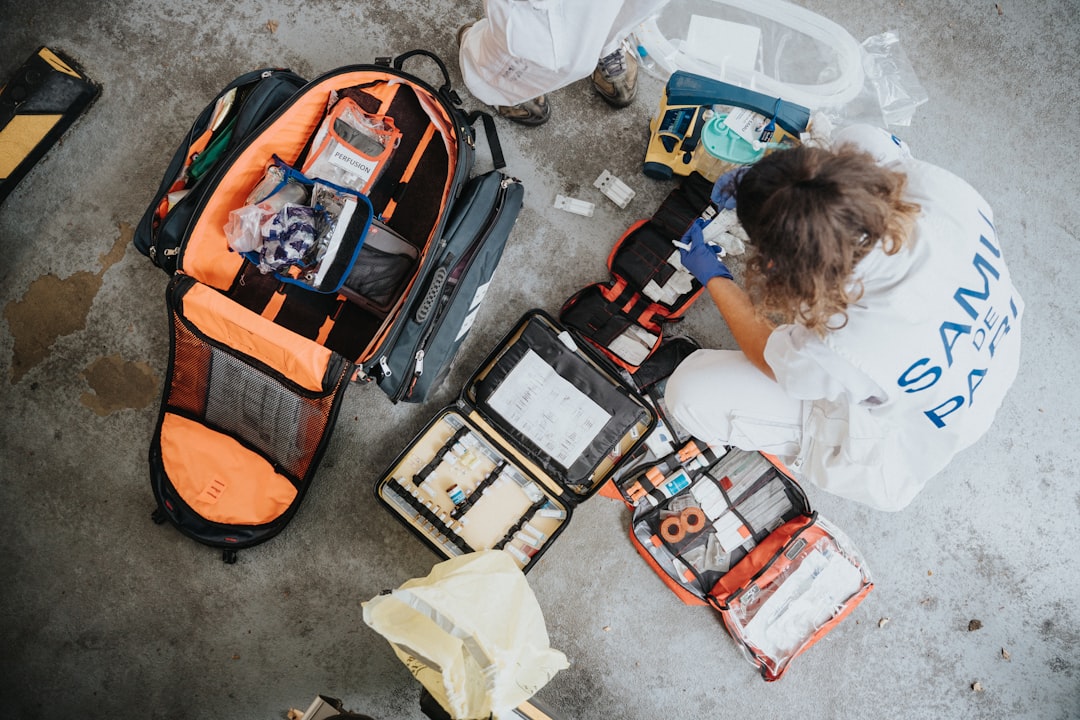
While every facility publishes its own rules, families preparing for a dual diagnosis admission generally need:
- The documentation folder described above, kept separate from clothing
- Seven to ten days of comfortable, weather-appropriate clothing without drawstrings or hoods
- Unscented toiletries in travel-sized containers (alcohol-free, since some facilities restrict alcohol-based products even in cosmetics)
- A list of emergency contacts beyond the primary family member — this matters more in psychiatric crises, when facilities may need to reach a secondary contact quickly
- A small amount of cash for vending machines or on-site stores, if permitted
- Comfort items screened in advance with the admissions coordinator
- A single, simple photo or letter from family — something to anchor to on hard days, without becoming a security risk if lost
Call the admissions team 48 hours before arrival and ask specifically: "Given my loved one's psychiatric diagnosis, is there anything on your standard list that changes for them?" That single question resolves more confusion than any generic checklist can.
Talking to Your Loved One About What They're Bringing
This part is harder than logistics. Someone entering treatment for a co-occurring disorder is often frightened — not just of withdrawal, but of losing access to the coping tools they've built around their mental health condition. Framing the packing process as collaborative rather than something being done to them tends to reduce resistance.
Ask what specifically helps them feel calm. Ask what's helped during past psychiatric hospitalizations, if there have been any. Let them have input on the sensory items and grounding tools, even if the final decision on what's allowed rests with the facility. Family therapists who work in co-occurring treatment settings frequently point out that involvement in preparation — even something as small as choosing which journal to bring — correlates with lower first-week dropout rates.
If you're still comparing facilities and want to understand how different programs handle psychiatric medication management, sensory accommodations, or crisis protocols, our center directory allows side-by-side comparison of dual diagnosis capabilities, and our assessment can help you figure out what level of integrated care your loved one actually needs before you finalize a decision.
Frequently Asked Questions
Can my loved one bring their current psychiatric medication with them, or does the facility provide new prescriptions?
Policies vary, but most dual diagnosis facilities prefer to verify and often continue existing prescriptions rather than starting over, provided documentation is complete. Bring medications in original labeled containers and expect staff to hold and administer them rather than allowing self-administration during early treatment.
Mention this during the pre-admission assessment. Most dual diagnosis programs include psychiatric evaluation as part of intake specifically for this reason, and an informal history — even just a pattern you've observed — helps clinicians ask the right questions.
Many facilities allow them, but restrictions on weight, fabric, and zippers vary. Always confirm with the admissions coordinator before packing, since items sometimes get turned away at intake if they haven't been pre-approved.
No — bring exactly what's prescribed for the expected treatment length plus a small buffer, and let the facility coordinate refills through their pharmacy or your loved one's prescriber. Extra unaccounted medication can complicate intake and raise diversion concerns.
What happens if the facility doesn't have psychiatric staff on-site for medication management?
This is worth confirming before admission, not after. If a facility markets itself for substance use only but your loved one needs active psychiatric management, ask specifically about on-site prescribers versus referral-based psychiatric care, and consider whether a dedicated dual diagnosis program is a better fit.
A Final Thought
Packing a bag feels like a small, almost mundane task compared to the weight of what's actually happening — a loved one entering treatment for two intertwined conditions at once. But the folder of documentation, the pre-approved sensory item, the phone call to admissions that clarifies a policy in advance — these small acts of preparation genuinely reduce chaos during a period that already has plenty of it. That's worth doing carefully, even when it feels like the least important part of a much larger process.


