What "Nature-Based" Actually Looks Like Clinically
Strip away the marketing language and nature-based programming in Costa Rica tends to fall into a few concrete categories, each with different evidence behind it.
Adventure and experiential therapy — hiking, surfing, zip-lining, waterfall excursions — is typically framed around building distress tolerance and self-efficacy. The theory, borrowed from wilderness therapy programs that have operated in the U.S. since the 1980s, is that completing a physically challenging task in an unfamiliar setting gives patients a felt sense of capability that talk therapy alone struggles to produce. The evidence base here is mixed and mostly observational rather than randomized, but outcome tracking from wilderness therapy programs has shown reductions in depression and anxiety symptoms that persist at 6- and 12-month follow-up in some cohorts.
Horticultural and animal-assisted therapy shows up in many Costa Rican facilities through farm-to-table gardens or equine programs. These have somewhat stronger controlled evidence, particularly for trauma populations — equine-assisted therapy has been studied specifically for PTSD, with some trials showing reductions in hyperarousal symptoms, likely because horses respond to a handler's nervous system state in real time, which can make emotional regulation feel less abstract.
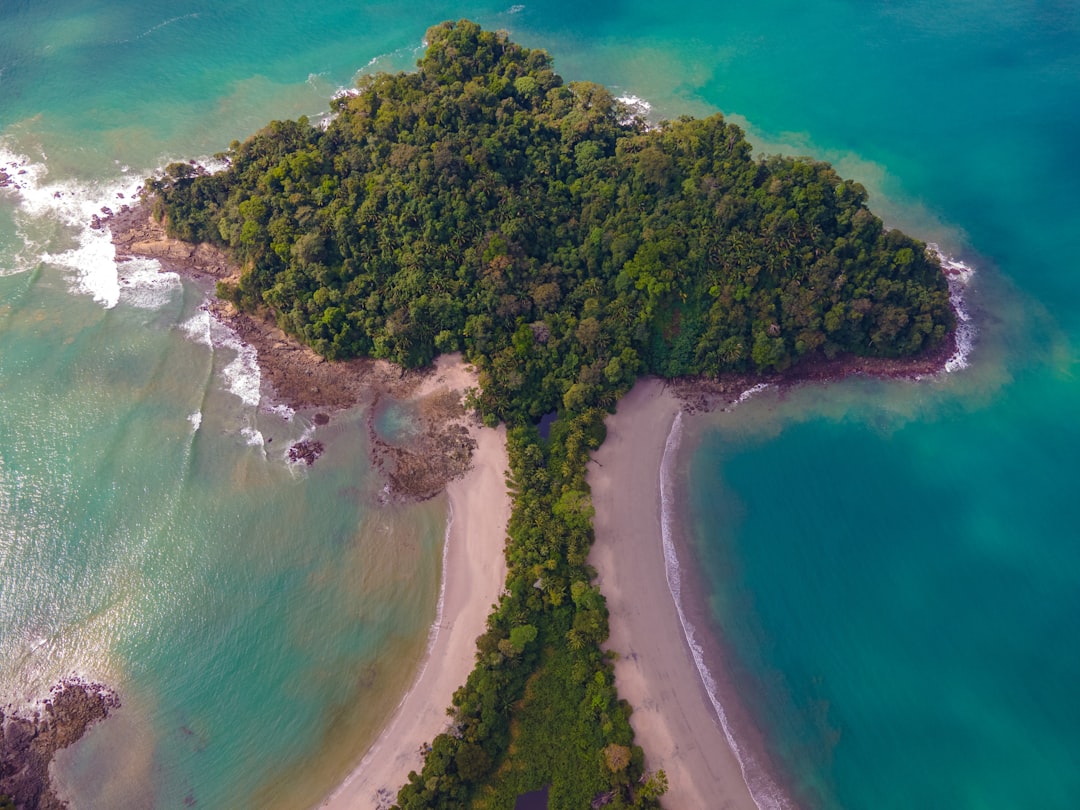
Passive nature exposure — simply being in a space with high biodiversity, natural light, and quiet — is the hardest to quantify but may matter most for co-occurring anxiety and depression. Roger Ulrich's classic 1984 study on hospital patients with views of trees versus brick walls, showing faster recovery and less pain medication needed in the former group, still anchors much of the biophilic design literature used to justify facility architecture in Costa Rica today.
None of this replaces evidence-based clinical care — cognitive behavioral therapy, medication management, trauma-focused modalities like EMDR. It supplements it. The strongest programs treat the setting as a delivery mechanism for better engagement with clinical work, not a substitute for it.

The Practical Reality for Families Coordinating Care Remotely
Sending a loved one overseas for treatment introduces logistical and clinical continuity questions that a domestic admission doesn't. Insurance rarely covers international rehab directly, which means most Costa Rica facilities operate on private pay or offer superbill documentation for potential reimbursement — a detail families should confirm in writing before committing funds, not after.
Medication continuity is the other pressure point specific to dual diagnosis cases. If your loved one is stabilized on an SSRI, an antipsychotic, or a medication-assisted treatment protocol like buprenorphine, ask explicitly how the receiving facility handles import regulations, prescribing authority, and coordination with the U.S. or home-country prescriber during and after the stay. Discontinuity here has caused real harm in cases documented by addiction medicine physicians — patients returning home to a lapse in psychiatric medication because nobody managed the handoff.
Aftercare planning also looks different when the treatment happens 2,000 miles from home. A facility that ends its involvement at discharge, with no structured telehealth follow-up or connection to outpatient dual diagnosis providers back home, is setting a family up to manage a fragile early recovery alone. Ask what the 90-day post-discharge plan looks like before your loved one boards a plane, not after.
How to Evaluate a Specific Facility
Rather than searching "best rehab Costa Rica" and trusting the top result, families are better served comparing facilities against a specific checklist built around dual diagnosis capacity: psychiatric staffing, medication management protocols, accreditation (Joint Commission International accreditation is the strongest signal Costa Rica facilities can hold), staff-to-patient ratios, and documented outcome data rather than testimonials alone.
It's also worth being honest about who nature-based treatment tends to suit best. Patients who are medically stable enough to travel, who don't require intensive inpatient psychiatric stabilization, and who respond well to experiential or adventure-based modalities tend to do well in these settings. Patients in acute crisis — active suicidality, psychosis, severe withdrawal risk — usually need a higher level of medical monitoring than most residential Costa Rica programs, however scenic, are built to provide. A responsible facility will say so during intake screening rather than accepting every inquiry.
Families can use our assessment tool to get a clearer sense of the level of care a loved one likely needs before comparing specific programs, and the center directory allows side-by-side comparison of accreditation, specialties, and dual diagnosis capabilities across facilities in Costa Rica and elsewhere — a useful step before any deposit is paid.
Frequently Asked Questions
Is nature-based therapy in Costa Rica effective for dual diagnosis, or only for substance use alone?
Environmental and experiential therapies show the most benefit as adjuncts to standard psychiatric and addiction care, not as replacements. For dual diagnosis specifically, the setting can help with nervous system regulation and engagement, but the facility still needs integrated psychiatric staffing to treat the mental health condition alongside the substance use disorder.
How do I know if a Costa Rica facility can actually manage my loved one's medication and psychiatric condition?
Ask directly: is there a psychiatrist on staff or on-call, how frequently do they see patients, and what's the protocol for adjusting psychiatric medications during detox? Get this in writing, and consider requesting to speak with the facility's medical director before admission.
Does insurance ever cover rehab in Costa Rica?
Rarely directly, though some facilities provide documentation for out-of-network reimbursement claims. Most international rehab in Costa Rica is private pay. Confirm billing and reimbursement policies in writing before committing.
What happens to my loved one's mental health treatment after they return home from Costa Rica?
This depends entirely on the facility's aftercare structure. Ask specifically about telehealth follow-up, coordination with a home-country psychiatrist or therapist, and a written 90-day discharge plan before treatment begins, not after.
Is Costa Rica a good fit for someone in acute psychiatric crisis, not just substance use?
Generally no. Most residential nature-based programs in Costa Rica are built for medically stable patients. Someone experiencing active psychosis, severe suicidality, or high-risk withdrawal typically needs a higher level of medical monitoring than these settings are designed to provide.
The jungle doesn't do the clinical work. The staff, the psychiatric infrastructure, and the aftercare plan do. What the setting can offer — genuinely, and with some research behind it — is a nervous system given room to settle enough for that clinical work to land. For families deciding whether that's worth the distance and the cost, the answer depends less on the view from the treatment center and more on what's happening inside it.


