Developing Personal Coping Strategies
Self-care for families affected by addiction extends beyond bubble baths and spa days. It involves developing robust coping strategies that can weather the inevitable ups and downs of the recovery process.
Stress Management Techniques
Mindfulness and Meditation: Regular mindfulness practice can help family members stay grounded in the present moment rather than catastrophizing about future possibilities. Research shows that even 10 minutes of daily meditation can significantly reduce cortisol levels and improve emotional regulation.
Physical Exercise: Regular physical activity serves multiple functions—it provides a healthy outlet for stress, improves mood through endorphin release, and creates opportunities for social connection. The key is finding activities that feel sustainable rather than burdensome.
Sleep Hygiene: Addiction-related stress often disrupts sleep patterns, creating a cycle of exhaustion and decreased coping ability. Establishing consistent bedtime routines, limiting caffeine, and creating a calm sleep environment can improve both sleep quality and daytime functioning.
Emotional Regulation Skills
Journaling: Writing about experiences, emotions, and concerns can help process complex feelings while providing perspective on patterns and progress over time.
Deep Breathing Exercises: Simple breathing techniques can activate the parasympathetic nervous system, reducing the fight-or-flight response that often dominates during crisis periods.
Grounding Techniques: Learning to recognize and interrupt anxiety spirals through grounding exercises—such as naming five things you can see, four you can touch, three you can hear, two you can smell, and one you can taste—can provide immediate relief during overwhelming moments.

Maintaining Hope During Difficult Periods
Recovery rarely follows a straight line. Relapses, broken promises, and setbacks can leave families feeling hopeless and exhausted. During these challenging periods, maintaining perspective becomes crucial.
Long-term recovery statistics offer reason for hope. According to the National Institute on Drug Abuse, people who receive treatment for substance use disorders and remain in recovery for two years have a relapse rate similar to that of other chronic medical conditions like diabetes or hypertension.
Families who focus on their own growth and healing—regardless of their loved one's current status—report higher levels of life satisfaction and better relationships overall. This doesn't mean giving up on their loved one, but rather recognizing that their own wellbeing matters independently.
Creating Meaning Beyond the Addiction
Many families find purpose in advocacy work, volunteering with organizations that support addiction recovery, or simply sharing their stories to help other families feel less alone. This sense of purpose can transform painful experiences into sources of strength and connection.
When Professional Help Becomes Necessary
Some situations require immediate professional intervention. Family members should seek help when experiencing:
- Persistent thoughts of self-harm or suicide
- Inability to function at work, school, or in daily activities
- Substance use as a coping mechanism
- Domestic violence or threats of violence
- Complete social isolation lasting more than a few weeks
- Physical symptoms that don't improve with basic self-care
Many families benefit from professional assessment to determine the most appropriate level of support and intervention. Treatment centers often provide family programming alongside individual treatment, recognizing that addiction affects entire family systems.
Building Long-Term Resilience
Recovery—both for individuals and families—is an ongoing process rather than a destination. Building resilience involves developing skills and perspectives that can weather future challenges while maintaining personal wellbeing.
Flexibility: Learning to adapt expectations and plans based on changing circumstances rather than rigidly adhering to specific outcomes.
Self-Compassion: Treating yourself with the same kindness you would offer a good friend, especially during difficult periods or when making mistakes.
Realistic Expectations: Understanding that progress often comes in small increments and that setbacks don't erase previous gains.
Multiple Support Sources: Developing various sources of support—professional, peer, spiritual, and recreational—rather than relying on any single person or resource.
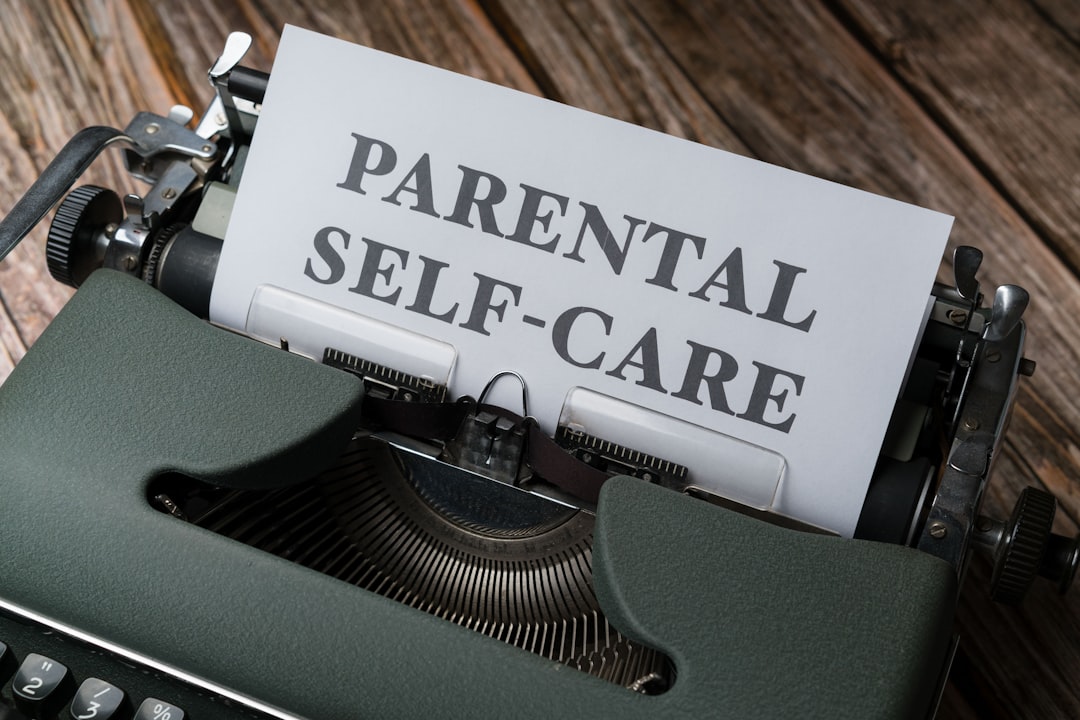
Moving Forward with Purpose
Families affected by addiction often discover unexpected strengths and deepen existing relationships through their healing process. While no one would choose to face addiction's challenges, many families report that their experience led to greater authenticity, stronger boundaries, and more meaningful connections with others.
The path forward involves accepting that you cannot control another person's choices while taking full responsibility for your own wellbeing and growth. This balance—loving without losing yourself—forms the foundation of healthy family recovery.
For families seeking additional support, treatment centers across the country offer specialized family programs designed to address the unique needs of those affected by a loved one's addiction. These programs recognize that healing extends beyond the individual to encompass entire family systems.
Recovery is possible—for individuals struggling with addiction and for the families who love them. The key lies in understanding that both paths, while interconnected, require separate attention and commitment.
Frequently Asked Questions
How can I help my loved one without enabling their addiction?
Support their recovery efforts rather than managing consequences of their addiction. Offer to drive them to treatment appointments, attend family therapy sessions, or help research treatment options. Avoid providing money, making excuses for their behavior, or solving problems that stem from their substance use. The goal is to make recovery easier while allowing addiction to remain difficult.
When should I consider an intervention?
Consider professional intervention when your loved one's addiction poses immediate safety risks, when previous attempts to encourage treatment have failed, or when the family system is breaking down. Professional interventionists can help families communicate effectively while minimizing the risk of damaging relationships. However, interventions work best when the person has some motivation for change.
How do I explain addiction to my children?
Use age-appropriate language that emphasizes addiction as a medical condition, not a moral failing. For younger children, simple explanations like "Dad has a sickness that makes it hard for him to stop drinking" can help. Older children may benefit from more detailed discussions about brain chemistry and genetics. Always reassure children that the addiction isn't their fault and encourage them to express their feelings.
What if my loved one refuses treatment?
You cannot force someone into recovery, but you can create conditions that make seeking help more attractive than continuing to use. This might involve setting boundaries, refusing to enable their addiction, and consistently offering support for treatment while withdrawing support for addictive behaviors. Focus on what you can control—your own responses and choices.
How long does family recovery typically take?
Family healing is an ongoing process that often begins before the addicted person enters treatment and continues long after. Most families notice some improvement in functioning within 3-6 months of implementing healthy boundaries and self-care practices. However, rebuilding trust and establishing new relationship patterns can take years. Remember that progress isn't always linear, and setbacks don't erase previous gains.


