Managing Financial Stress
Addiction often creates significant financial strain on families. Treatment costs, legal fees, property damage, and lost income can devastate family finances. Financial stress compounds emotional trauma and requires specific attention.
Financial boundaries are as important as emotional ones. This might mean refusing to pay for non-essential expenses, removing the person with addiction from joint accounts, or seeking legal advice about protecting family assets. Financial planning professionals who specialize in families affected by addiction can provide valuable guidance.
Many treatment facilities offer payment plans or sliding fee scales. State and federal programs may provide financial assistance for treatment. Our assessment tool can help identify covered treatment options and financial resources.
Special Considerations for Different Family Roles
Spouses and Partners
Intimate partners face unique challenges, including decisions about continuing the relationship, protecting children, and managing household responsibilities alone. Couples therapy with an addiction specialist can help partners understand their options and develop safety plans.
The divorce rate among couples where one partner has a substance use disorder is approximately 50% higher than the general population, according to research from the University of Buffalo. However, couples who engage in treatment together show significantly better outcomes for both relationship stability and recovery success.
Parents
Parents of adult children with addiction often struggle with balancing support and enabling. "Tough love" approaches require professional guidance to implement effectively without causing additional harm to family relationships.
Parent support groups specifically address the unique guilt, fear, and heartbreak parents experience. These groups help parents understand that addiction is not a moral failing or result of poor parenting.
Children and Siblings
Children in families affected by addiction are at higher risk for developing substance use disorders themselves, as well as other mental health conditions. Age-appropriate education about addiction and access to counseling support can provide protective factors.
Sibling support is often overlooked, yet brothers and sisters frequently experience significant distress when a family member struggles with addiction. Sibling support groups and individual counseling can address feelings of anger, guilt, and fear.
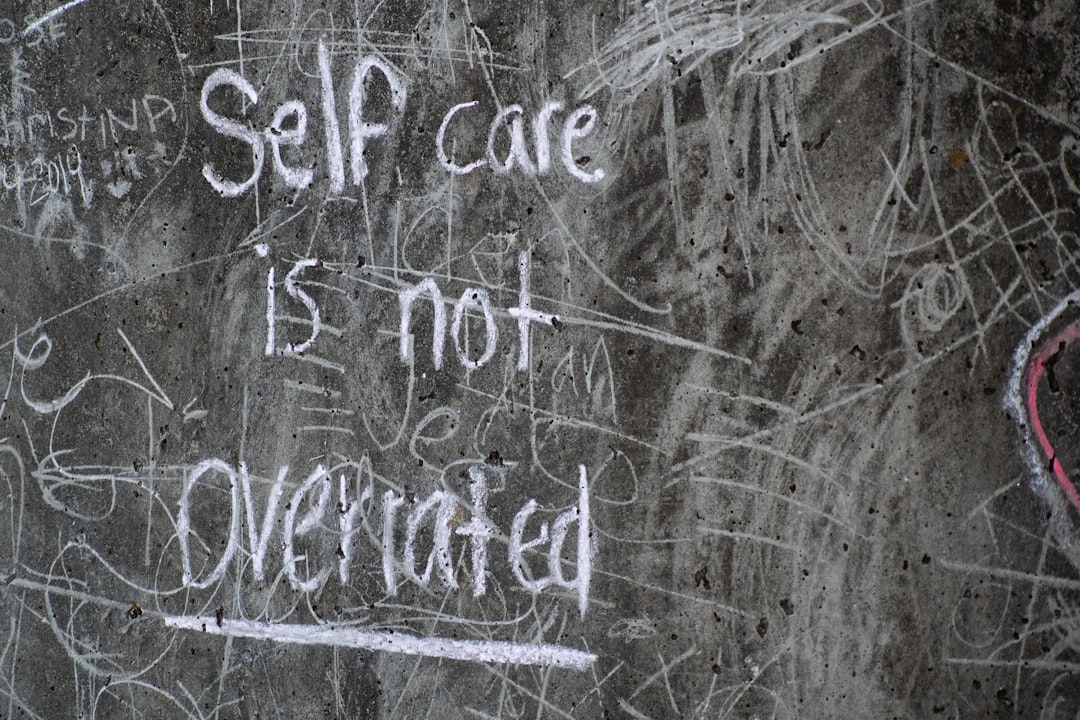
Creating Daily Self-Care Routines
Consistent daily practices provide stability in the chaos that addiction often brings to families. These don't need to be time-consuming or expensive—small, regular actions can have significant cumulative effects.
Morning routines might include meditation, journaling, or simply enjoying coffee without checking phones or discussing addiction-related concerns. Evening routines could involve reading, gentle yoga, or connecting with supportive friends.
Mindfulness practices, supported by extensive research showing benefits for stress reduction and emotional regulation, can be particularly helpful. Apps like Headspace or Calm offer guided sessions specifically designed for family caregivers.
Long-Term Recovery and Family Healing
Family recovery is an ongoing process that continues even when the person with addiction achieves sobriety. Trust rebuilding takes time, and family members need support in processing their own trauma and adjusting to new family dynamics.
Family recovery programs recognize that addiction affects the entire family system. These programs focus on healing relationships, improving communication, and developing new patterns of interaction that support long-term recovery for everyone involved.
The concept of "family recovery" emphasizes that healing must occur at the family level, not just the individual level. Research consistently shows that families who engage in their own recovery process have better outcomes and more stable long-term recovery.
Certain situations require immediate professional intervention. If family members experience thoughts of self-harm, severe depression that interferes with daily functioning, or if domestic violence occurs, immediate professional help is essential.
Crisis intervention services are available 24/7 through national hotlines and local emergency services. Many communities have mobile crisis teams specifically trained in addiction-related family crises.
Our center directory includes facilities that offer emergency family services and can provide immediate support during crisis situations.
Frequently Asked Questions
How do I know if I'm enabling my loved one's addiction?
Enabling behaviors remove natural consequences of addiction, making it easier for the person to continue using substances. Examples include providing money when you suspect it will be used for drugs, lying to employers about absences, or bailing someone out of legal trouble repeatedly. The key difference between helping and enabling is whether your actions support genuine recovery or make continued substance use possible.
Is it selfish to focus on my own needs when my family member is struggling with addiction?
Focusing on your own mental and physical health is not selfish—it's necessary for your ability to provide genuine support. Research shows that family members who practice self-care are more effective in supporting their loved one's recovery and experience better long-term outcomes. You cannot pour from an empty cup.
Complete cutoff is rarely necessary or helpful, but boundaries are essential. The goal is typically to maintain connection while protecting your own wellbeing and avoiding enabling behaviors. Professional guidance can help you determine appropriate boundaries for your specific situation. Each family's circumstances are different.
How can I help other family members who don't want to address the addiction?
You cannot force other family members to acknowledge addiction or seek help, but you can model healthy boundaries and self-care. Sometimes family members need different amounts of time to accept the reality of addiction. Focus on your own healing and be available when others are ready to seek support.
Will my insurance cover therapy for family members affected by addiction?
Most insurance plans cover mental health services, including therapy related to family stress and trauma. Many insurers specifically cover family therapy as part of addiction treatment. Contact your insurance provider to understand your benefits, and don't hesitate to ask treatment centers about family services that may be covered under your loved one's treatment plan.


