Integration with Traditional Treatment Programs
Equine therapy works best as part of a comprehensive treatment approach rather than a standalone intervention. Most effective programs integrate horse sessions with individual therapy, group work, and other evidence-based treatments.
The insights gained during equine sessions often become focal points for traditional therapy work. Your loved one might have a breakthrough moment with a horse that reveals patterns they've been unable to discuss in talk therapy. The concrete, experiential nature of equine work gives therapists and patients new material to explore.
Many residential treatment facilities report that clients who participate in equine programs show improved engagement in other treatment components. The confidence and self-awareness gained through horse interactions often translates to more honest participation in group therapy and stronger therapeutic relationships.
The timing of equine therapy introduction varies by program, but many facilities find it most effective after initial detoxification and stabilization. Once your loved one has achieved some emotional equilibrium, the deeper work possible with horses can begin.
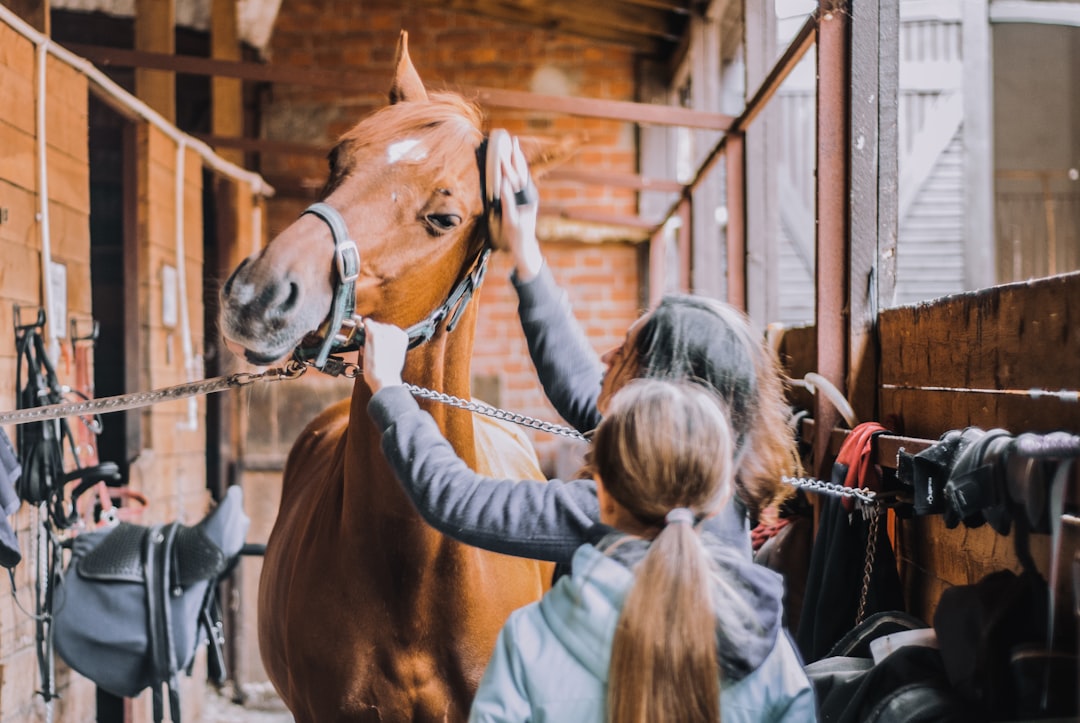
What Families Should Expect
If your loved one is entering a program with equine therapy components, understanding what to expect can help you support their experience and recognize progress markers.
Initial resistance is common, especially from people who have no prior experience with horses or who feel overwhelmed by the size and power of these animals. Skilled equine therapists work gradually, often starting with smaller horses or even miniature horses for people who feel intimidated.
Progress in equine therapy often comes in waves rather than steady improvements. Your loved one might have powerful breakthrough sessions followed by periods of integration and slower progress. This pattern is normal and reflects the deep emotional work being processed.
Many participants report that horses help them access emotions they've been unable to feel or express in traditional therapy settings. This emotional opening can be intense and may result in your loved one seeming more emotionally raw or sensitive during certain phases of treatment.
The skills learned in equine therapy often take time to translate to daily life. Your loved one might describe feeling more confident and self-aware after horse sessions while still struggling with old patterns in family interactions. This gap is part of the learning process.
Finding Quality Equine Therapy Programs
Not all equine therapy programs meet the same standards. When researching treatment options for your loved one, several factors indicate program quality and effectiveness.
Look for programs that employ both licensed mental health professionals and certified equine specialists. The Professional Association of Therapeutic Horsemanship International (PATH Intl.) provides certification standards that ensure proper training and safety protocols.
Quality programs conduct thorough assessments before beginning equine work, matching participants with appropriate horses based on personality, experience level, and therapeutic goals. The horses themselves should be specially trained for therapy work, not just gentle riding horses.
Effective equine therapy programs integrate with broader treatment planning rather than operating as isolated activities. Ask how insights from horse sessions are incorporated into overall treatment goals and family therapy work.
Safety protocols should be comprehensive and clearly explained. While serious injuries in equine therapy are rare, proper supervision and emergency procedures are essential.

Long-term Benefits and Recovery Integration
The benefits of equine therapy often extend well beyond the treatment program itself. Many people maintain connections to horses through volunteer work, continued lessons, or ownership as part of their ongoing recovery support.
The emotional regulation skills developed through horse interactions prove particularly valuable during recovery challenges. Your loved one may use techniques learned in equine sessions to manage cravings, navigate relationship conflicts, or cope with stress in healthy ways.
Families frequently report that their loved one seems more emotionally present and communicative after participating in equine therapy programs. The authenticity required in horse interactions often carries over to family relationships, creating opportunities for deeper connection and healing.
Some people discover a lasting passion for horses that becomes a central part of their recovery identity. Others simply carry forward the self-awareness and emotional skills gained through the experience.
The key is supporting whatever level of continued connection feels meaningful to your loved one while recognizing that the core benefits — improved emotional regulation, better communication skills, and increased self-awareness — remain valuable regardless of future horse involvement.
Research on long-term outcomes shows that people who participate in equine therapy programs maintain higher rates of sustained recovery and report better quality of life measures compared to those who receive only traditional treatments. A five-year follow-up study published in the Journal of Alternative and Complementary Medicine found that 68% of equine therapy participants maintained sobriety compared to 41% of control group participants.
For families who have watched traditional approaches fall short, equine therapy offers genuine hope backed by growing research evidence. The authentic connection between human and horse can catalyze healing that transforms not just individual recovery, but family relationships and long-term wellbeing.
Frequently Asked Questions
Is equine therapy safe for people with no horse experience?
Yes, equine therapy programs are designed for participants with no prior horse experience. Certified equine specialists ensure safety through proper horse selection, supervised interactions, and gradual skill building. Horses used in therapy programs are specifically trained for this work and selected for gentle, predictable temperaments.
How long does it typically take to see results from equine therapy?
Most people begin experiencing benefits within the first few sessions, though deeper therapeutic gains typically develop over 8-12 weeks of regular participation. Some individuals have immediate breakthrough moments, while others progress more gradually. The timeline varies based on individual factors and the frequency of sessions.
Does insurance cover equine-assisted therapy?
Coverage varies by insurance provider and policy. When equine therapy is provided as part of a licensed mental health treatment program, many insurance plans will cover it. However, standalone equine therapy sessions may not be covered. It's important to verify coverage with your insurance provider before beginning treatment.
Can people with physical limitations participate in equine therapy?
Many equine therapy programs accommodate various physical limitations. Activities can be modified for wheelchair users, people with mobility issues, or other physical challenges. The therapy focuses on ground-based interactions rather than riding, making it accessible to most people regardless of physical abilities.
What should families look for when choosing an equine therapy program?
Look for programs that employ licensed mental health professionals alongside certified equine specialists, maintain proper insurance and safety protocols, and integrate horse work with comprehensive treatment planning. The facility should conduct thorough assessments, match participants appropriately with horses, and demonstrate clear therapeutic goals rather than just recreational activities.


