How Food and Body Image Affect Relapse Risk
Eating disorders and body image issues aren't just side effects of recovery — they're genuine relapse risks that deserve attention. Research from the International Journal of Eating Disorders found that people with co-occurring substance use and eating disorders have higher relapse rates and more complex treatment needs.
When your loved one restricts food severely, their brain doesn't function optimally. Malnutrition affects judgment, emotional regulation, and stress tolerance — all crucial recovery skills. Chronic undereating can trigger the same impulsive, compulsive thinking patterns that characterize addiction.
Conversely, cycles of binge eating and shame can erode the self-compassion and emotional regulation skills your loved one needs for sustained recovery. If they feel out of control around food, they might question their ability to stay sober from their primary substance.
Body image distress creates its own emotional triggers. If your loved one feels disgusted with their appearance or hopeless about physical changes, these feelings can drive them toward their substance of choice for emotional relief.
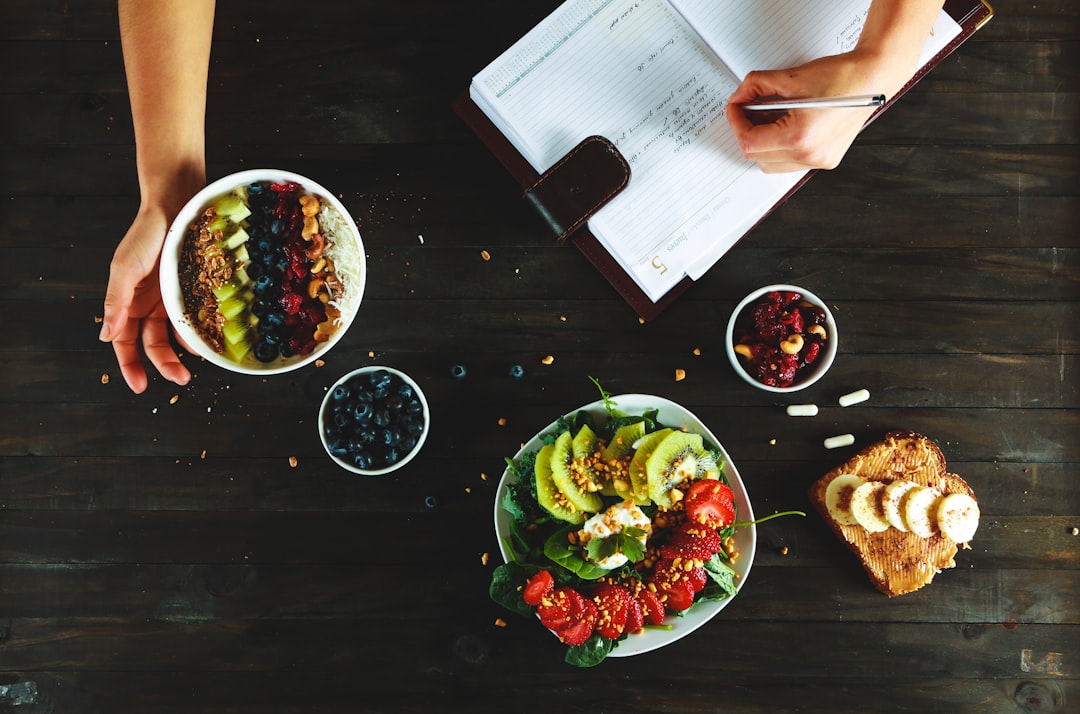
Supporting Your Loved One's Food Recovery
As a family member, you play a crucial role in creating an environment that supports healthy eating and body image recovery. Your approach needs to balance concern with respect for their autonomy.
Avoid Food Police Behaviors
Resist the urge to monitor, comment on, or control your loved one's eating. Statements like "you should eat more" or "that's too much sugar" often trigger shame and rebellion, even when well-intentioned. Your loved one likely has complicated feelings about food, and external pressure rarely helps.
Instead, focus on making nutritious options available without commentary. Stock the kitchen with a variety of foods. Eat regular, balanced meals yourself. Model a relaxed relationship with food rather than trying to manage theirs.
Create Low-Pressure Meal Environments
Mealtimes might be stressful for your loved one, especially early in recovery. Their appetite might be unpredictable, or they might feel anxious eating around others. Create calm, predictable meal environments without pressure to eat specific amounts or types of food.
Consider their sensory needs too. Some people in recovery experience heightened sensitivity to textures, tastes, or smells. Others crave intense flavors. Allow flexibility around food preferences without making it a bigger issue than it needs to be.
Focus on Overall Health, Not Weight
Avoid commenting on your loved one's weight, appearance, or body changes — positive or negative. Comments like "you look so much healthier" can create pressure to maintain a certain appearance. Similarly, expressing concern about weight changes might trigger shame or defensive behaviors.
Instead, focus on energy levels, mood, sleep quality, and other health indicators that don't center on appearance. Celebrate their recovery milestones rather than physical changes.
Professional Support for Dual Recovery
Eating issues in recovery often require specialized professional support. Many addiction treatment programs now screen for eating disorders and incorporate nutrition counseling, but standalone addiction treatment might miss these important issues.
Look for professionals who understand both addiction and eating disorders. Registered dietitians with eating disorder training can help your loved one rebuild hunger and fullness cues, plan balanced meals, and address nutrition-related recovery concerns. Therapists specializing in both areas can address the psychological connections between food and substances.
Some treatment centers offer integrated programs addressing both issues simultaneously. These programs recognize that treating addiction without addressing eating issues — or vice versa — often leads to incomplete recovery.

Building Long-Term Food Recovery
Healing the relationship with food and body image is typically a longer process than achieving initial sobriety. Your loved one might make significant progress in their substance recovery while still struggling with food issues years later. This doesn't mean they're failing — it means they're addressing deep, interconnected patterns that take time to change.
Encourage patience with the process. Recovery from both addiction and eating issues involves learning to trust their body's signals again, developing healthy coping strategies, and healing underlying trauma. These changes happen gradually, with setbacks and breakthroughs along the way.
Celebrate small victories: trying a new food without anxiety, eating a meal without guilt, or spending time with friends without obsessing about appearance. These moments of progress matter as much as traditional recovery milestones.
When to Seek Additional Help
Certain warning signs indicate that your loved one's eating and body image issues require immediate professional attention. Contact their healthcare provider or a specialized eating disorder professional if you notice:
- Rapid weight loss or gain (more than 10% of body weight in a few months)
- Social isolation around food or mealtimes
- Compulsive exercise that interferes with recovery activities
- Frequent talk about feeling "disgusting" or "out of control" around food
- Physical symptoms like dizziness, fainting, or digestive issues
- Using laxatives, diet pills, or other substances to control weight
- Expressing hopelessness about their body or appearance
Remember that eating disorders can be life-threatening and often require specialized treatment. Don't wait for your loved one to ask for help if you're seeing dangerous patterns.
If you're unsure whether your loved one's eating patterns are concerning, consider reaching out to our assessment tool or browsing treatment centers that specialize in dual diagnosis care.
Frequently Asked Questions
Is it normal for people to gain weight in recovery?
Yes, weight gain is extremely common in recovery, especially from alcohol or stimulants. The body often needs to restore healthy weight after periods of malnutrition or metabolic disruption. Most people's weight stabilizes within the first year as their body heals and they develop regular eating patterns.
How long do eating issues typically last in recovery?
Eating patterns often remain disrupted for 6-18 months after achieving sobriety, though some people experience food-related challenges for several years. The timeline depends on factors like the type of substance used, duration of addiction, underlying trauma, and access to appropriate treatment.
Should I prepare special foods for my loved one in recovery?
Focus on having a variety of nutritious, appealing foods available rather than preparing special meals. Many people in recovery appreciate having easy-to-prepare options available since their energy and motivation for cooking might be limited. Avoid making food choices feel like additional pressure or treatment requirements.
Can eating disorders cause relapse to substance use?
Yes, untreated eating disorders significantly increase relapse risk. The shame, impulsivity, and emotional dysregulation associated with eating disorders can trigger substance use as a coping mechanism. This is why addressing both issues simultaneously is often necessary for sustained recovery.
How do I know if my loved one needs eating disorder treatment in addition to addiction treatment?
Look for patterns rather than isolated incidents: consistent food restriction or overeating, intense anxiety around meals, social isolation related to food, or physical symptoms like fatigue or digestive issues. When in doubt, consult with an eating disorder specialist who can provide proper assessment and recommendations.


