Supporting Your Family Member Through Treatment
When your loved one has both anxiety and addiction, your support role becomes more complex but also more important. Understanding both conditions helps you respond in ways that support recovery rather than inadvertently enabling either problem.
Learn to distinguish between anxiety symptoms and addiction behaviors. Anxiety might make your daughter avoid social situations, but addiction makes her lie about where she's been. Anxiety causes your spouse to worry excessively, but addiction causes him to prioritize substances over family responsibilities. Both need compassion, but they require different responses.
Don't try to "fix" their anxiety for them. Well-meaning families sometimes enable anxiety by removing all stressors or providing constant reassurance. This can actually strengthen both anxiety and addiction by preventing your loved one from building their own coping skills.
Support treatment compliance without becoming the treatment police. Both conditions require ongoing management, often including therapy appointments, support group meetings, and medication schedules. You can help with logistics and encouragement, but taking over responsibility often backfires.
Recognize that recovery looks different with dual diagnosis. Someone recovering from addiction alone might show steady progress. With anxiety disorders, progress often involves setbacks, especially during the first year. This doesn't mean treatment isn't working.
Finding the Right Treatment Program
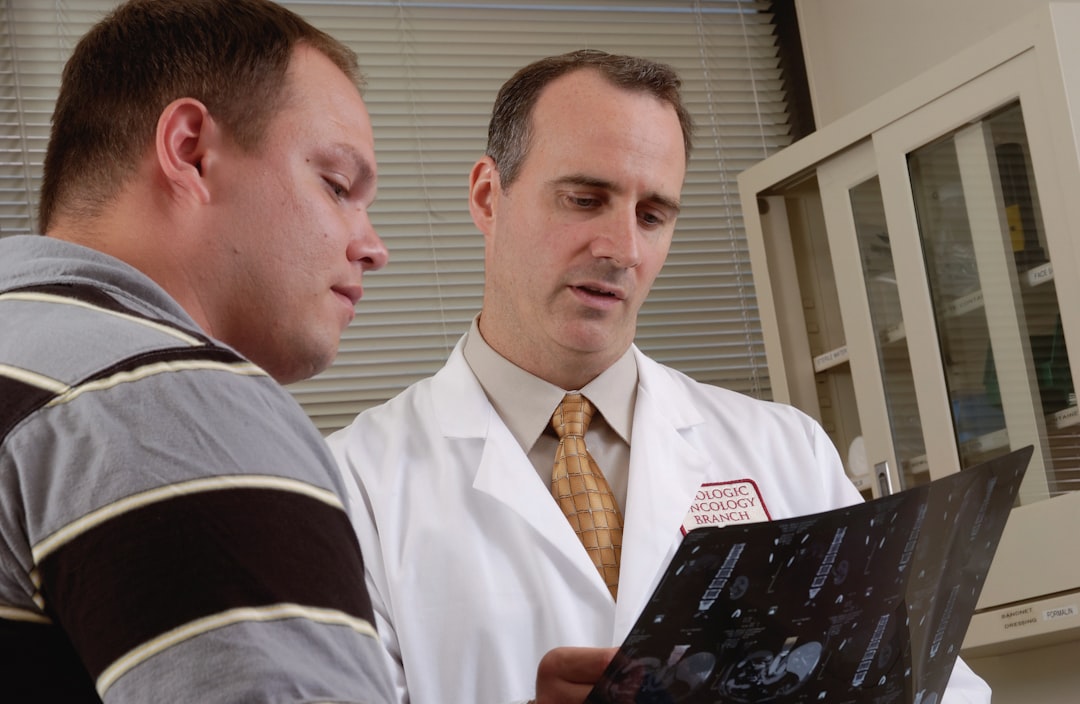
Not all addiction programs are equipped to handle co-occurring anxiety disorders, and not all mental health programs understand addiction recovery. When researching options for your loved one, ask specific questions:
Does the program conduct comprehensive psychiatric evaluations before admission? Quality dual diagnosis programs assess both conditions thoroughly rather than focusing primarily on substance use.
Are therapists specifically trained in integrated treatment approaches? Look for programs where staff have credentials in both addiction counseling and mental health treatment, not just one or the other.
How do they handle anxiety medications during treatment? Programs should have clear protocols for managing psychiatric medications, including working with prescribing doctors rather than automatically discontinuing all medications.
What does their aftercare planning include? Dual diagnosis recovery requires longer-term support. Programs should coordinate with ongoing psychiatric care and have specific relapse prevention strategies for both conditions.
Our assessment tool can help identify programs with dual diagnosis expertise in your area, and our center directory includes detailed information about each facility's mental health services.
The Road Ahead: What Families Should Expect
Recovery from co-occurring anxiety and addiction typically takes longer than treating either condition alone, but the outcomes can be more sustainable when done properly. Most people need at least 90 days of intensive treatment, followed by ongoing therapy and support.
The first few months are often the most challenging. As substances leave your loved one's system, anxiety symptoms may temporarily worsen before they improve. This doesn't mean treatment isn't working — it's a normal part of the process as the brain relearns how to manage stress and emotions without chemical assistance.
Long-term recovery often involves ongoing anxiety management, which might include therapy, medication, or both. This isn't failure — it's responsible healthcare for a chronic condition. Just as someone with diabetes continues managing their blood sugar in recovery, someone with anxiety disorder continues managing their mental health.
When Crisis Strikes
Families dealing with dual diagnosis often face crisis situations where anxiety and addiction interact dangerously. Panic attacks might trigger substance use, or withdrawal might cause severe anxiety episodes.
If your loved one experiences panic attacks that lead to substance use, help them develop a crisis plan during stable periods. This might include specific people to call, grounding techniques that work for them, or knowing when to seek emergency medical care.
Never hesitate to call emergency services if you're concerned about your loved one's safety, whether from anxiety symptoms, substance use, or both. Emergency room staff are trained to handle dual diagnosis crises and can provide immediate stabilization.
Frequently Asked Questions
Can anxiety medications be used safely in addiction recovery?
Many anxiety medications can be used safely in recovery when prescribed and monitored by doctors experienced in addiction medicine. SSRIs and some other antidepressants carry minimal addiction risk and can effectively treat anxiety. Benzodiazepines require more careful consideration but aren't automatically ruled out. The key is working with prescribers who understand both conditions.
How long does it take for anxiety to improve in recovery?
Anxiety symptoms often worsen during the first 30-90 days of recovery as the brain readjusts to functioning without substances. Most people see gradual improvement between months 3-6, but some anxiety symptoms may persist longer and require ongoing treatment. This timeline varies significantly based on individual factors and the specific substances involved.
Should my loved one attend regular AA/NA meetings if they have severe social anxiety?
Twelve-step programs can be very helpful for people with anxiety disorders, but the approach may need modification. Many people start with smaller meetings, online meetings, or SMART Recovery groups that use different discussion formats. The key is finding recovery support that feels manageable while gradually building social confidence.
What's the difference between normal worry and anxiety that needs professional treatment?
Normal worry is proportionate to actual problems and decreases when problems are solved. Clinical anxiety involves excessive worry about unlikely events, physical symptoms like panic attacks or chronic tension, and worry that interferes with daily functioning. If anxiety prevents your loved one from working, maintaining relationships, or engaging in recovery activities, professional treatment is warranted.
How can I tell if my loved one is using substances to self-medicate anxiety versus using recreationally?
Self-medication typically follows patterns related to anxiety triggers — using before stressful events, after panic attacks, or during periods of high worry. The person often has logical explanations for their use related to feeling "better" or "normal." Recreational use is more social or pleasure-seeking. However, these patterns often overlap, and both require professional treatment regardless of the original motivation.


