Who Tends to Benefit — and Who It's Not For
Adventure therapy isn't a universal fit, and reputable programs will say so directly.
It tends to show the strongest results for:
- Adolescents and young adults, whose treatment engagement often improves with experiential formats over traditional talk-based ones
- People with co-occurring anxiety or depression alongside substance use, where avoidance behaviors are central to the clinical picture
- Clients who've cycled through multiple rounds of conventional outpatient or inpatient treatment without lasting change
- People whose trauma history includes a strong disconnect from their own body — combat veterans, survivors of physical abuse, first responders
It's generally contraindicated, or requires heavy modification, for:
- People with acute untreated psychosis or unstable suicidality, who need a higher level of medical containment first
- Those with significant unaddressed physical health limitations — cardiac conditions, uncontrolled seizure disorders, certain orthopedic injuries
- Clients in acute withdrawal who need medical detox before any physical exertion is appropriate
Families should ask direct questions before enrolling a loved one: What's the staff-to-client ratio in the field? Are guides certified in Wilderness First Responder protocols? Is a licensed clinician present on-site or only reachable by radio? Accreditation through the Outdoor Behavioral Healthcare Council is a reasonable baseline credential to look for.
What a Program Actually Looks Like
Structure varies, but a typical adventure-based track running alongside primary addiction treatment might include:
- An initial physical and psychological screening to rule out contraindications
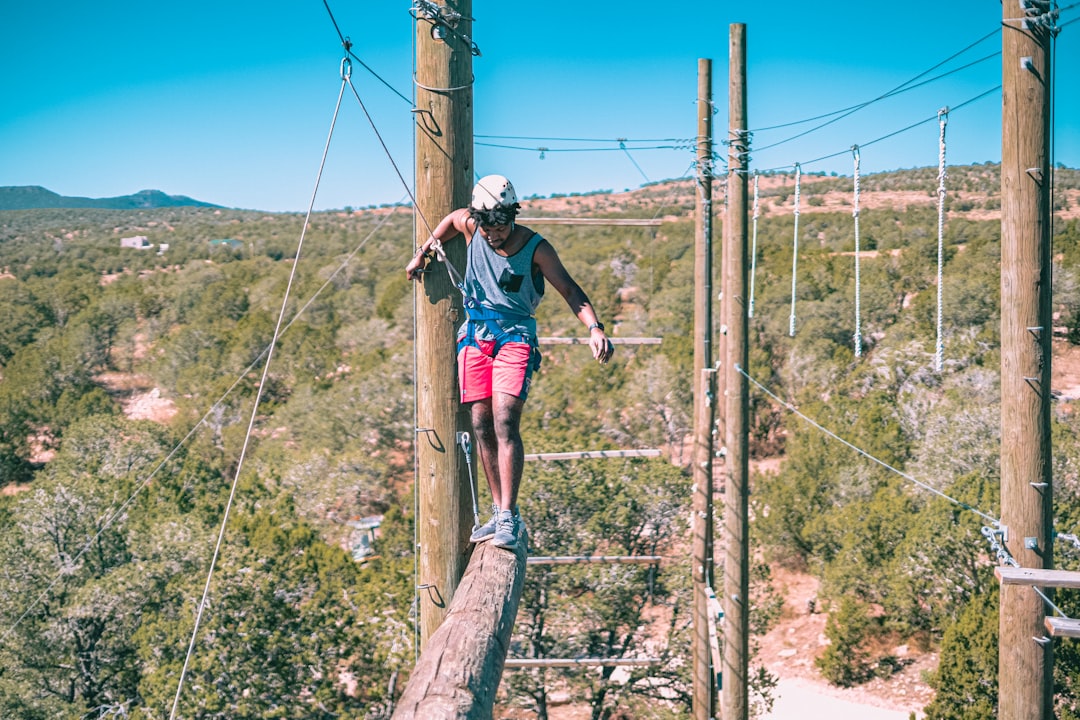
- Low-stakes activities early on — day hikes, bouldering close to the ground, basic ropes courses — to build baseline trust and skill
- Progressive escalation toward multi-day expeditions, technical climbs, or extended backcountry travel as clients demonstrate readiness
- Nightly or post-activity processing groups where the physical experience is explicitly connected to recovery goals and emotional patterns
- Family sessions, often conducted remotely or in scheduled visits, since many wilderness programs run for 8-12 weeks
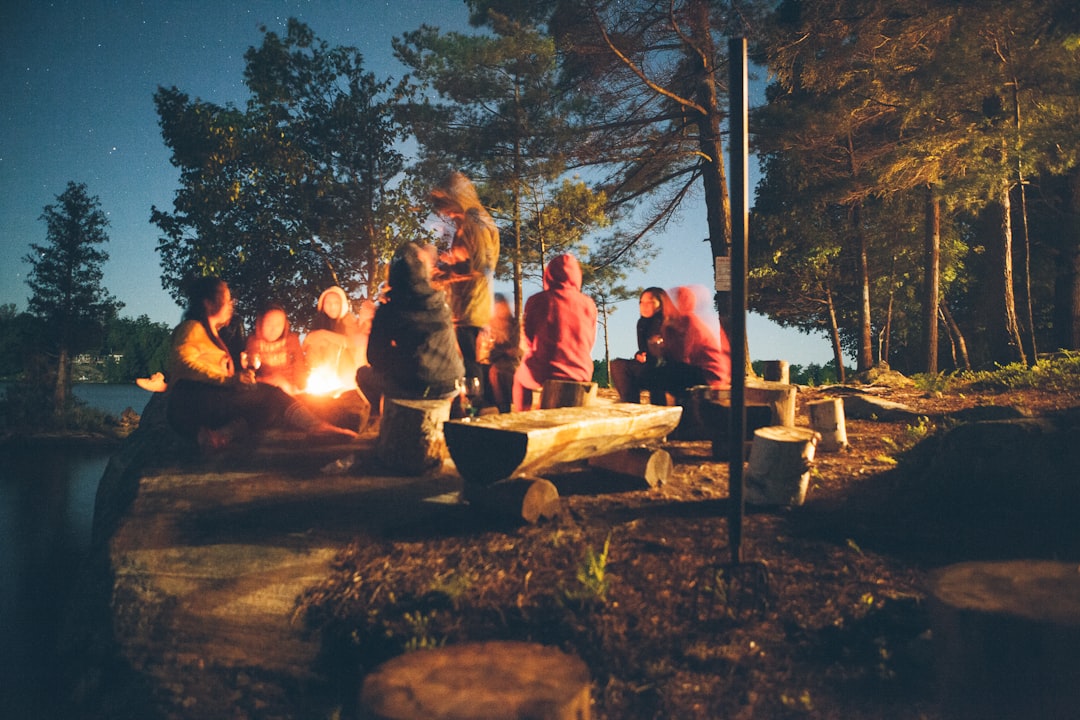
The expedition format matters clinically. Multi-day hikes strip away the usual distractions — phones, substances, familiar coping mechanisms — and replace them with basic, repetitive physical demands: set up camp, purify water, navigate to the next point. Clinicians who work in this space often describe this simplification as therapeutically useful in itself, since it removes the noise that clients typically use to avoid sitting with difficult feelings.
What Families Should Actually Expect
If your loved one enters an adventure therapy or wilderness-based program, expect the first two weeks to be rough. Detox from both substances and from constant stimulation is genuinely uncomfortable, and many programs restrict communication during this period intentionally.
Expect resistance, and expect it to be normal — most clients arrive not wanting to be there. What matters more is the trajectory over the following month: engagement in group processing, willingness to attempt harder physical challenges, and reports from clinical staff about behavioral shifts, not just physical accomplishments.
Cost is a legitimate concern. Wilderness therapy programs typically run $500-700 per day, often totaling $30,000-$50,000 for a full course, and insurance coverage is inconsistent — some plans cover the clinical/therapeutic component but not lodging or field costs. It's worth calling any program's admissions team directly and asking for an itemized breakdown before committing, and comparing that against more traditional residential options in the directory to understand relative cost and what's clinically included.
Frequently Asked Questions
Is adventure therapy a replacement for standard addiction treatment?
No. Reputable programs use it as an adjunct to, not a substitute for, evidence-based care like cognitive behavioral therapy, medication-assisted treatment, and relapse prevention planning. Ask any program directly how adventure components integrate with core clinical treatment.
How long does an adventure therapy program typically last?
Wilderness therapy courses for adolescents and young adults often run 8 to 12 weeks. Shorter adventure-based modules — a week of rock climbing integrated into a 30- or 60-day residential stay — are also common, particularly for adults.
Does insurance cover wilderness or adventure therapy programs?
Coverage varies significantly by insurer and by what's classified as clinical treatment versus recreational activity. Some plans partially reimburse licensed therapeutic components. Contact the program's admissions team and your insurer directly for specifics before enrolling.
What happens if my loved one has a physical injury or health condition?
Accredited programs conduct medical and psychological screening before admission and can modify activity levels accordingly. Disclose all physical health information honestly during intake — hiding a condition to "get in" risks serious harm in the field.
How do I find a legitimate, accredited adventure therapy program?
Look for accreditation through the Outdoor Behavioral Healthcare Council, licensed clinical staff on-site (not just field guides), and transparent outcome data. You can also compare accredited options in our center directory or use our assessment tool to identify programs suited to your loved one's specific needs.
A Final Word
No rope course cures addiction, and no facility worth its accreditation would claim otherwise. What adventure therapy offers is narrower and, for the right person, more durable than it sounds: proof, delivered through the body rather than argued through words, that they are capable of more than the addiction convinced them they were. For families who've watched a loved one lose faith in themselves long before losing anything else, that proof can matter more than it looks like it should from the outside.


